
01 / Focus
A creative brief helps transform instincts, references and half-formed ideas into a clearer direction. It doesn’t need to be rigid—it just needs to reveal what matters.
Request a free website conceptThis page explains what a creative brief can hold, why it makes projects stronger, and how the right structure can make a conversation far more productive.
 Mood / Message / Priorities
A good brief doesn’t ask clients to have every answer. It simply helps surface the essentials: who the website is for, what it should communicate, and what kind of atmosphere it needs to create.
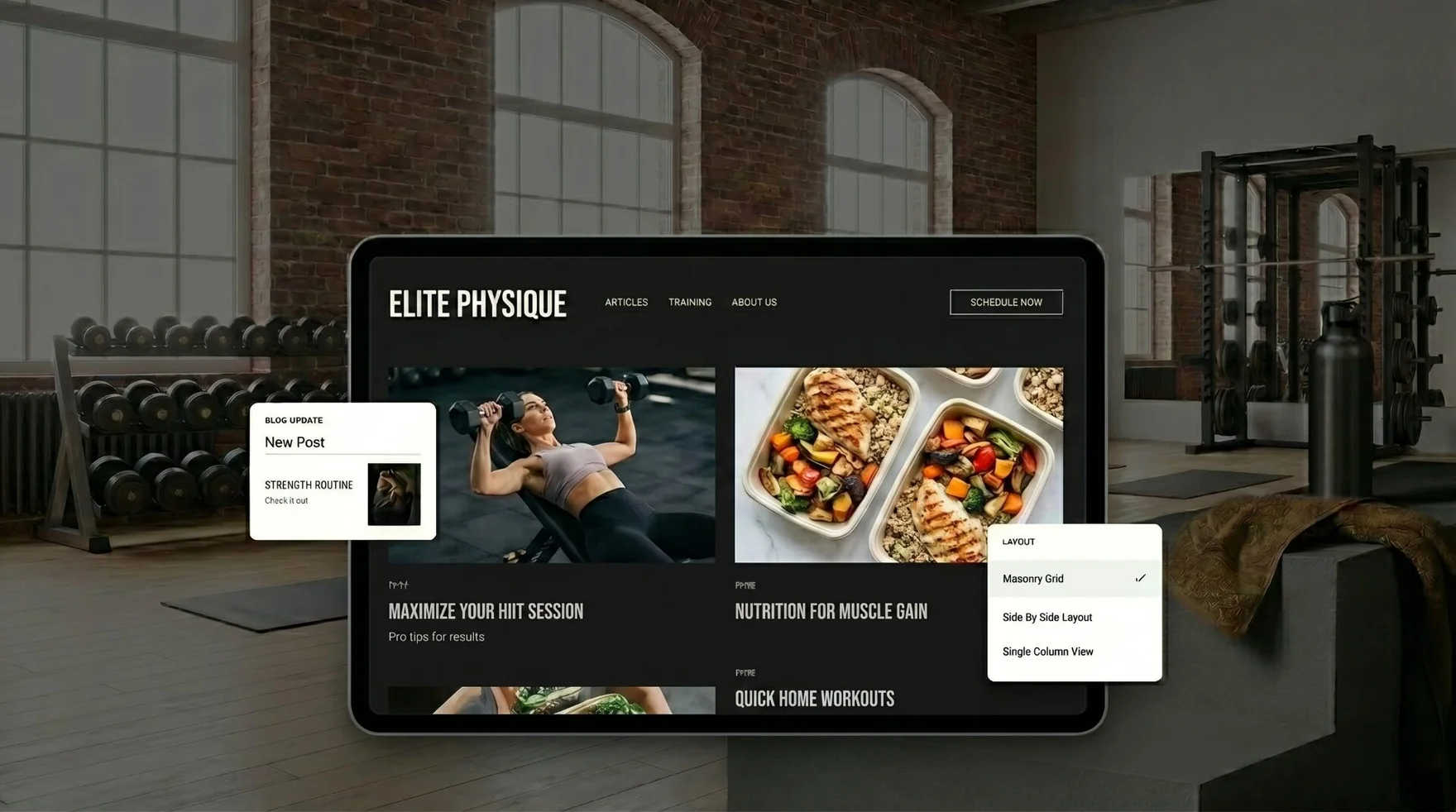

Creative direction can be viewed from several angles. Switch between them to see the kinds of questions and signals that often help define a stronger starting point.
These examples are illustrative, but they reflect the kind of clarity that helps creative work begin with more purpose and fewer assumptions.
This lens helps define tone, character and the emotional shape of the experience—often more useful than describing design styles too literally.
Explore the brief ↗
There’s no need for a giant questionnaire. A concise, well-shaped brief can often say more than pages of overexplained detail.
Clarify the shift you’re trying to create: better positioning, stronger trust, clearer offers, or a more ambitious visual presence.
A useful brief identifies the people the website should resonate with—not just broad demographics, but priorities, expectations and concerns.
List the key themes, offers, proof points and questions the website should address so the structure isn’t built on guesswork.
References, adjectives and visual preferences help align the creative direction without forcing it into a rigid template too early.
A brief is not a test. Some things can be prepared in advance, and other things become clearer through discussion.
A short description of your business, offer or project focus.
Any references, moodboards or websites that help express what you’re drawn to.
Important content, services or practical constraints that the website should consider.
An honest sense of what currently feels unclear, outdated or underwhelming.
The most effective order of content and how the site should guide visitors through it.
The exact balance between visual atmosphere, practical clarity and conversion.
What deserves emphasis now and what can wait for a later phase.
How the brand’s personality should translate into layout, imagery and pace.
No. A creative brief can begin as notes, references, voice messages or a rough description. The point is not formality—it’s clarity.
That’s completely fine. Often it’s enough to talk about the mood, impression or examples you respond to. Creative direction can be translated from there.
Yes. A brief can actually help reveal what content is missing, what matters most, and what should be prioritised first.
No. Even smaller or more focused projects benefit from a stronger starting point, especially when the goal is quality rather than speed alone.
Yes. You can request a free website concept to explore the direction before any broader project decisions are made.
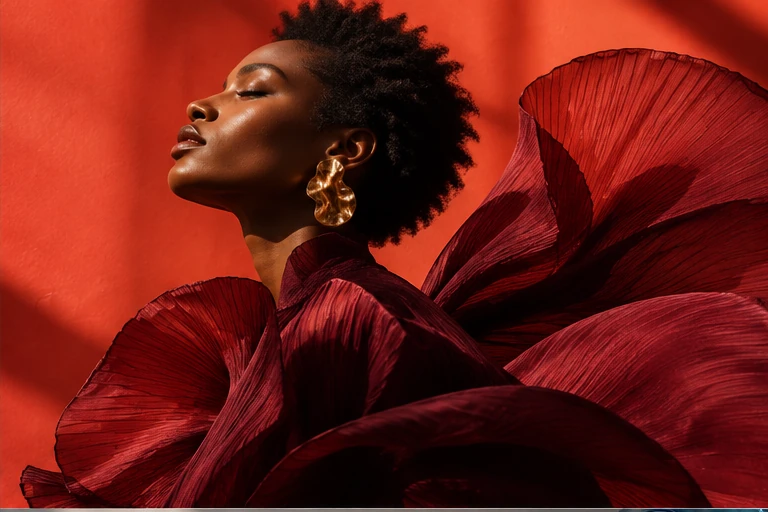 Creative Brief / by Chocolate Umbrella
Whether your direction already feels vivid or still slightly undefined, a stronger brief can make the next step more focused, more creative and more useful.